

July 2026
Midwife Expert News
ICM Portugal • New studies and data • Guideline Updates
Summer has arrived with a vengeance here in the UK but we’re keeping a cool head to share some key updates in the midwifery world. It was fantastic to meet so many passionate colleagues at ICM in Portugal and it’s encouraging that we have plenty of new studies to review.
Thank you for being part of the MidwifeExpert community
Dianne and the Midwife Expert Team
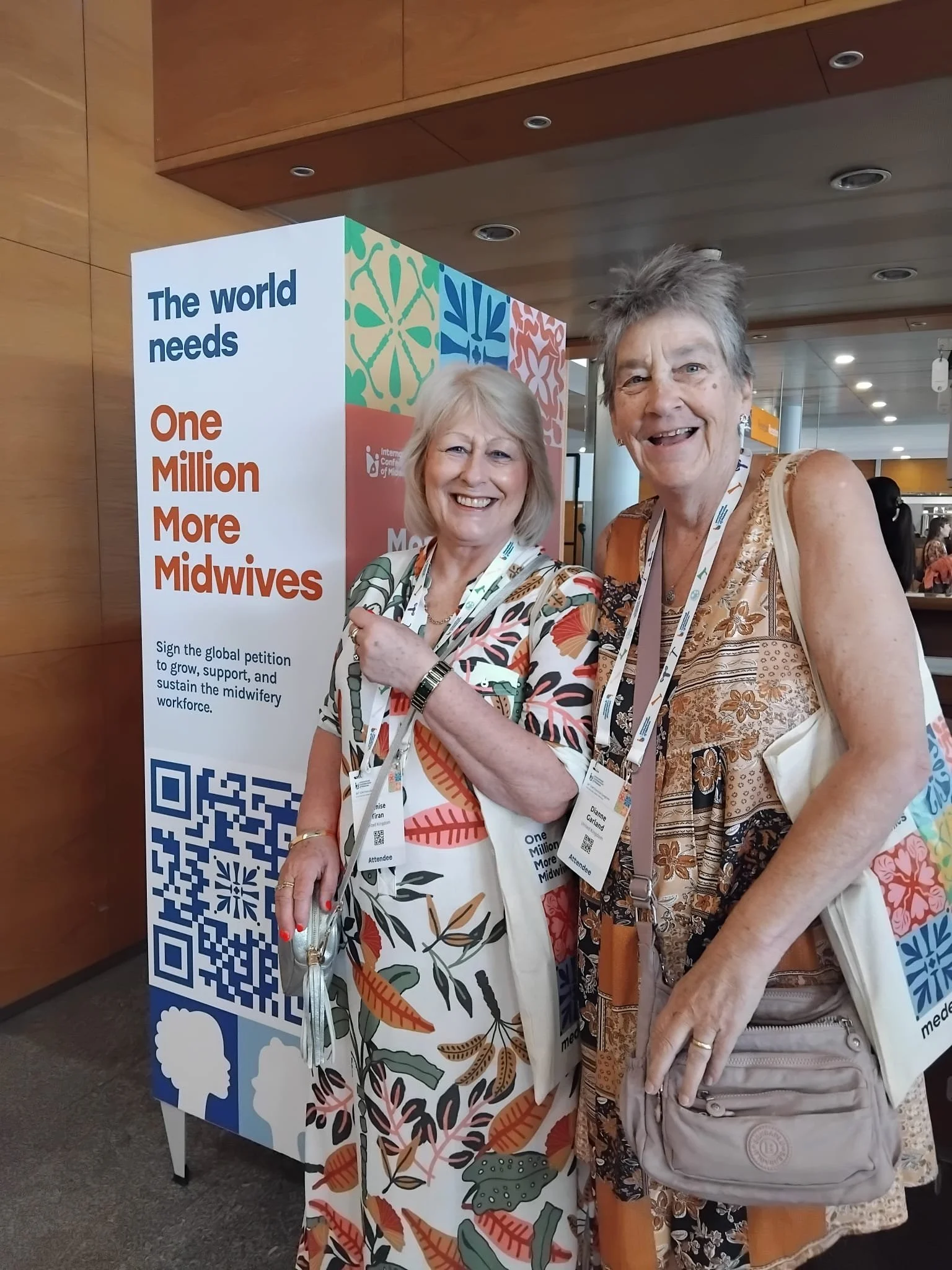
ICM Lisbon, Portugal
Midwifery leaders from more than 120 countries gathered in Lisbon for the 2026 ICM Congress, delivering a clear message: the world urgently needs one million more midwives.
Across five days, the conference highlighted the global shortage, celebrated midwife‑led innovation, and launched a landmark Joint Declaration committing midwives, nurses, obstetricians, paediatricians, and neonatal specialists to work together to improve maternal and newborn outcomes.
Delegates shared evidence showing that investing in midwives could prevent millions of deaths, strengthen health systems and reduce unnecessary intervention in childbirth. Education quality, leadership development and political commitment were recurring themes, with countries announcing new workforce plans and renewed focus on regulation and training standards.
The Congress closed with a call for unified global action, positioning midwives not only as essential clinicians, but as leaders shaping the future of maternity care worldwide.

Reflections from Lisbon — Strengthening Global Midwifery Together
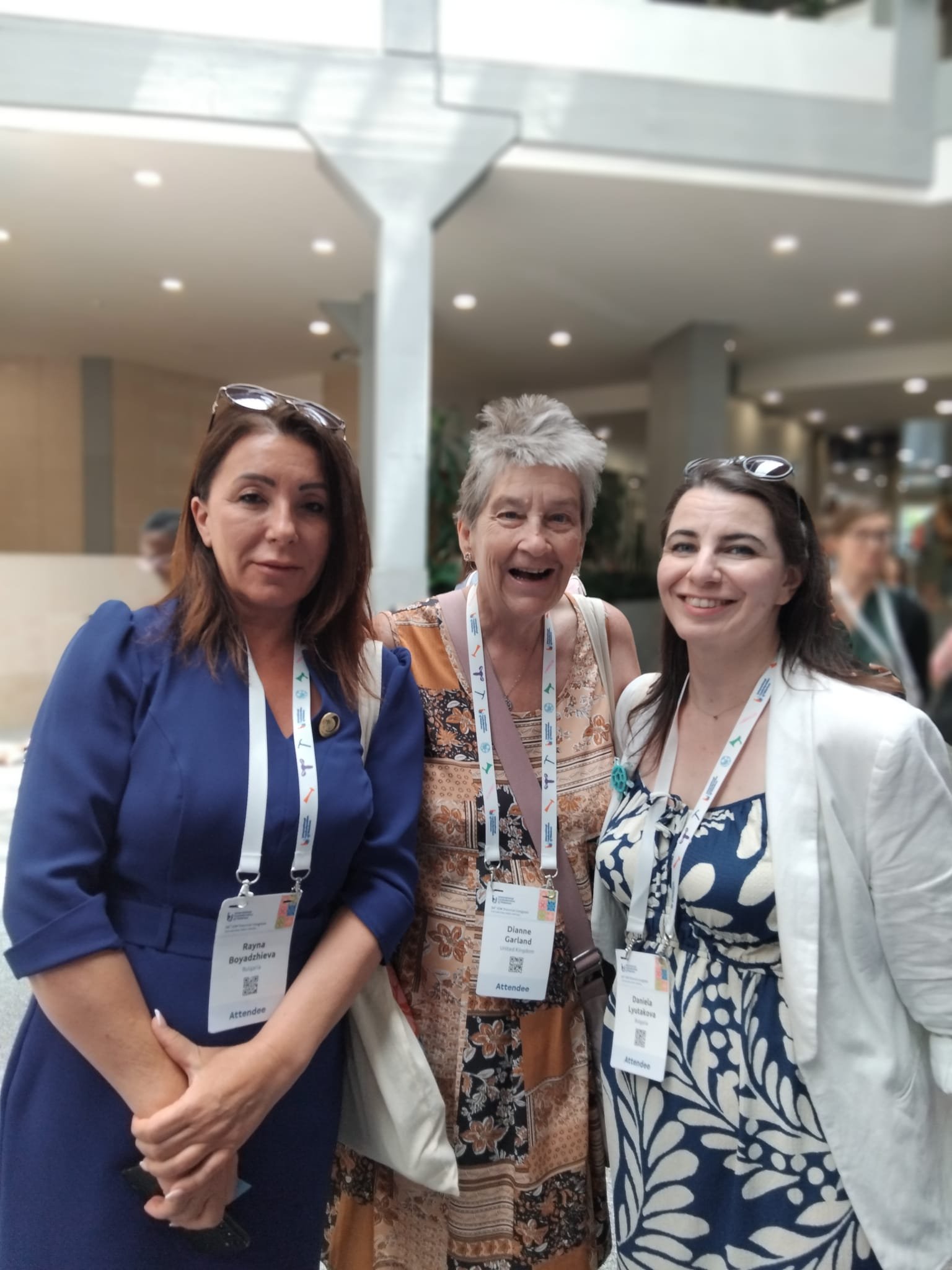
Attending the 2026 ICM Congress in Lisbon was a genuinely energising experience. The opportunity to meet with midwives from across the world, many of whom I’ve collaborated with for years, was a particular highlight. These gatherings remind us how powerful it is when midwives share practice, challenge assumptions and exchange ideas that strengthen care for women and families everywhere.
The discussions this year were particularly rich: workforce development, leadership, education standards, and the ongoing need to protect physiological birth were all front and centre. What stood out most was the collective determination to push midwifery forward, not just clinically but politically and professionally.
Lisbon provided an excellent setting for this work: well organised, accessible, and conducive to meaningful conversation. I left feeling encouraged, connected and proud of the global midwifery community’s commitment to improving outcomes and advancing our profession.

Thanks…
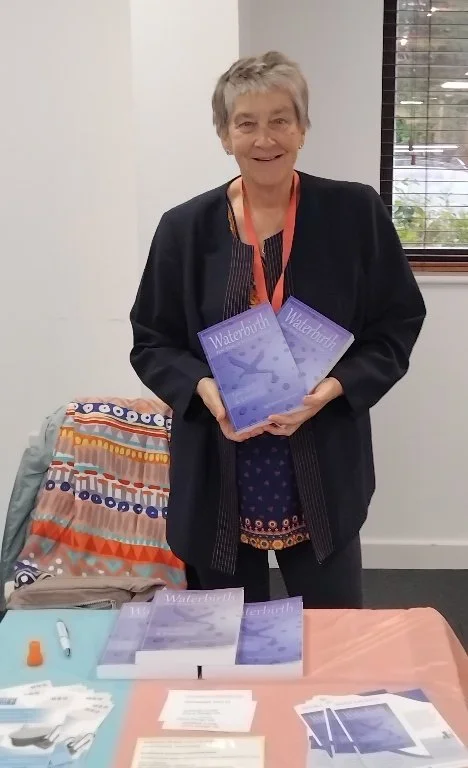
Just a quick note to offer sincere thanks for the wonderful response to my new book, Waterbirth for the 21st Century – Love, Skills and Knowledge. The feedback I’ve received has been thoughtful, encouraging, deeply appreciated and genuinely inspirational.
It’s a privilege to work alongside such committed and compassionate colleagues. Your support means a great deal to me.
If you haven’t had the chance to read it yet and you'd like to purchase a copy, there's a link below.
Latest Studies…
Retrospective Study of Birth Outcomes at a Maine Birth Center Comparing Neonates Born Into Water to Those Born on Land
Abstract
Water birth is a method of delivering a baby from the maternal environment into a warm tub and placed into the mother's arms. While increasing numbers of nationally accredited birth centers and hospitals are standardizing protocols for best practices, concerns of neonatal safety raised by pediatricians and obstetric providers remain.
Objective:
This study aims to compare outcomes of water born neonates to those born via standard land birth to self –selected cohorts designated as low risk for obstetric complications in a freestanding birth center in New England.
Study Design/setting:
A retrospective chart audit of women giving birth in water with a matched cohort who birthed on land and their neonatal outcomes. Population studied: Women of child bearing age between 18 and 45 meeting low-risk pregnancy criteria as designated by the standards set by A.A.B.C (American Association of Birth Centers.) All deliveries were completed at a freestanding birth center in Portland, Maine between 1999 and 2008.
Outcome measures/Results:
475 charts were reviewed by two separate reviewers. Of the 320 women included in the study, 170 delivered in water and 150 delivered on land. Primigravids represented 49.7% (n = 159) of the sample. There were significant differences in the mean durations of both first and second stages of labor between women who delivered on land and women who delivered underwater (95% CI, P < .0001) with shorter mean first and second labor stages for women who delivered underwater. Of neonates born underwater, (n = 56) 32.9% had 1-minute Apgar scores of 7 or less and 2.9% (n = 5) had 5-minute Apgar scores of 7 or less while neonates delivered on land, (n = 55) 36.7% had 1-minute Apgar scores of 7 or less and 6.7% (n = 10) had 5-minute Apgar scores of 7 or less. Fewer abnormalities in initial vital signs were observed in neonates delivered in water than on land. No deaths occurred in either group.
Conclusion:
Neonates who were born into water did not experience higher levels of morbidity or mortality when compared to those born on land. In addition, women who delivered into water, on average, experienced shorter first and second stages of labor. Comment – stresses the points of knowledge base of physiology and fluid intake of isotonics not just water. Midwifeexpert is now encouraging 2 yearly updates for health practitioners who support waterbirth.

Maternal and Neonatal Outcomes of Water Birth Compared with Conventional Vaginal Delivery: A Five-Year Retrospective Cohort Study from Southeastern Europe
Dragos Brezeanu, Ana-Maria Brezeanu, Simona Stase, Vlad Tica
PMID: 42073470 PMCID: PMC13117489 DOI: 10.3390/life16040661
Abstract
Background: Water birth has gained increasing attention as an alternative childbirth method intended to promote maternal comfort and physiological labor while potentially reducing obstetric interventions. However, evidence regarding its maternal and neonatal safety compared with conventional delivery approaches remains heterogeneous. This study aimed to evaluate maternal and neonatal outcomes associated with water birth compared with conventional spontaneous vaginal delivery in a secondary obstetric center. By focusing on vaginal births, the study evaluates the specific impact of water immersion on perineal integrity and neonatal transition.
Methods: We conducted a retrospective cohort study including 3747 deliveries recorded at a tertiary maternity unit over a five-year period. Among these, 692 births occurred in water (water birth group) and 561 were conventional vaginal deliveries (land birth group), both managed under a standardized institutional protocol. Maternal characteristics, obstetric outcomes, and neonatal parameters were extracted from medical records and compared between the two cohorts. Primary outcomes included rates of episiotomy, perineal trauma and neonatal indicators such as Apgar score. Statistical analyses were performed to assess differences between groups using appropriate comparative tests.
Results: Water birth was associated with a significantly lower rate of episiotomy compared with land birth (5.06% vs. 13.72%, OR 0.33, 95% CI 0.22-0.50, p < 0.001). Neonatal outcomes, including Apgar scores and NICU admissions, did not differ significantly between the two cohorts.
Conclusions: In this retrospective cohort, water birth among selected low-risk pregnancies was associated with reduced obstetric intervention, particularly episiotomy, without evidence of adverse neonatal outcomes. These findings suggest that water birth may represent a safe and feasible option in carefully selected low-risk pregnancies when strict clinical protocols are applied.
Cost-effectiveness analysis of water immersion vs. epidural analgesia during labour. A ten-year study in the Balearic Islands, (Spain)
Carmen Herrero-Orenga 1, Laura Galiana 2, Juan Carlos Fernández-Domínguez 3, Noemí Sansó 4, Xavier Espada Trespalacios 5, Ramón Escuriet 6
PMID: 42085800 DOI: 10.1016/j.midw.2026.104840
Abstract
Problem and background: Value-based healthcare calls for selecting interventions that achieve optimal outcomes at the lowest cost. Although water immersion and epidural analgesia are effective for childbirth pain relief, few studies have compared their cost-effectiveness in real-world clinical settings.
Aim: This study aimed to evaluate the cost-effectiveness of water immersion compared to epidural analgesia during birth in a hospital setting.
Methods: A cost-analysis was undertaken. Data were drawn from a ten-year observational cohort study including 1,134 low-risk women. Healthcare costs were estimated according to the analgesic option chosen during labour, incorporating baseline costs, mode of birth, and any unexpected clinical events. For the water-immersion group, additional costs related to infrastructure adaptation and professional training were included to assess the return on investment. All costs were calculated using the public tariffs in force in the Balearic Islands.
Findings: Economically, the average cost per woman was €2,134 for water immersion versus €3,010 for epidural analgesia, with annual savings of €47,992. The initial investment in water immersion facilities was recovered within the first year.
Discussion: These findings suggest that water immersion is a safe, effective, and cost-saving alternative to epidural analgesia. It aligns with value-based healthcare by improving outcomes, reducing interventions, and respecting women's preferences.
Conclusions: Policymakers and health managers should consider integrating water immersion as a standard pain management option in maternity services. Its implementation can enhance quality of care and optimise healthcare resource use, particularly in public systems aiming for sustainable, woman-centred models of intrapartum care.
YouTube as a Source of Water Birth Information: An Analysis of Gaps, Misalignments, and Adherence With American College of Obstetricians and Gynecologists (ACOG) Guidelines
Antonia Oladipo , Natasha Malonza , Erika Fleming , Jamie Chen , Katherine M Collamore , Michel'le Bryant
PMID: 42255792 PMCID: PMC13238166 DOI: 10.7759/cureus.108351
Abstract
Background Water birth is increasingly popular, yet debates persist regarding its safety and efficacy. There is a need to assess the accuracy and sentiment of publicly available water birth content, and it is essential that water birth content be accurate to support informed decision-making. Objective To identify whether certain YouTube video characteristics play a role in determining whether the contents of the video are aligned with the published recommendations set forth by the American College of Obstetricians and Gynecologists. Materials and methods An analysis of the top 100 English-language YouTube videos on "water birth" sorted by "most viewed" was conducted on March 9, 2023. After applying inclusion and exclusion criteria, a final set of videos met the inclusion criteria and were included in the analysis. Video characteristics were recorded. Video accuracy was assessed against 16 ACOG water birth guidelines. Scores: 1 (accurate), 0 (not mentioned), or -1 (inaccurate). Transcripts were analyzed using MonkeyLearn Sentiment Analyzer to determine sentiment. Results Of the videos analyzed, the majority were neutral in their accuracy, while a smaller proportion were deemed accurate or contained inaccuracies. Critical safety topics, such as umbilical cord avulsion or neonatal infection risks, were almost universally omitted. Videos created by healthcare professionals demonstrated greater accuracy, while personal vlogs were predominantly neutral. Sentiment analysis revealed that most videos conveyed a negative sentiment, followed by positive and then neutral sentiment. Notable geographic disparities were observed, with North American content exhibiting greater emotional polarization compared to international content. Conclusion Most widely viewed YouTube content on water birth lacks alignment with ACOG guidelines, particularly regarding risk communication, posing misinformation risks.
Characteristics Associated with Tub Entry and Delivery in Water: A Secondary Analysis of Waterbirth Intervention Participants
Emily Malloy PhD, CNM, FACNM, Obstetrics and Gynecology and Midwifery, Aurora UW Medical Group, Aurora Sinai Medical Center, Advocate HealthFollow
Amanda Luff PhD, Advocate Aurora Research Institute, Wake Forest School of Medicine, Obstetrics and Gynecology, Advocate HealthFollow
Jessica JF Kram MPH, Academic Affairs, Aurora UW Medical Group, Center for Urban Population Health, Aurora Sinai Medical Center, Advocate HealthFollow
James O. Adefisoye PhD, Academic Affairs, Aurora UW Medical Group, Wake Forest School of Medicine, Aurora Sinai Medical Center, Advocate HealthFollow
Valerie Oliver CNM, Obstetrics and Gynecology and Midwifery, Aurora Sinai Medical Center, Advocate HealthFollow
Cara Wolf DNP, CNM, Obstetrics and Gynecology, Atrium Health Wake Forest Baptist, Advocate HealthFollow
Marie Forgie DO, Obstetrics and Gynecology, Aurora UW Medical Group, Aurora Sinai Medical Center, Advocate HealthFollow
MaryAnne Scherer CNM, Obstetrics and Gynecology and Midwifery, Aurora Sinai Medical Center, Advocate HealthFollow
Lisa Hanson PhD, CNM, FACNM, Endowed Professor, Marquette University College of Nursing
Abstract
Background/Significance:
Waterbirth is a pain management option that promotes physiological birth with limited availability in US hospitals. We conducted the first US-based randomized controlled trial (RCT) of hospital waterbirth, finding it was a viable option for low-risk individuals and reduced use of intravenous narcotics and epidural analgesia while increasing satisfaction. To further support person-centered care, it is important to understand which individuals who planned waterbirth ultimately gave birth in water and how preferences and medical needs shifted during labor.
Purpose:
To identify factors linked to waterbirth tub use during labor and successful delivery in water among those planning a waterbirth.
Methods:
We conducted a secondary analysis of participants who were consented and assigned to the waterbirth arm of our RCT, 1/2022-12/2023. Waterbirth participants were offered standard intrapartum care along with the option of waterbirth. We explored tub entry and delivery in water, examining differences in age, pre-gravid BMI, gestational age, cervical dilation, induction, parity, marital status, race and ethnicity, and educational attainment. Fisher’s exact tests were used for categorical variables; Kruskal–Wallis tests for continuous variables. P values < 0.05 were statistically significant.
Results:
Of 116 waterbirth participants, 68 (58%) entered the tub. Hypertension (n=20) and desire for epidural anesthesia (n=10) were common reasons for not entering the tub. Of those who entered the tub, 41 (61%) gave birth in water. Common reasons for leaving the tub were for epidural analgesia (n=14), required cesarean or operative vaginal birth (n=6). When compared to those who did not enter the tub, tub entrants had a higher gestational age (39.7 vs 38.9 weeks, p<0.01), greater cervical dilation at admission (4.3 vs 2.0 cm, p<0.01), and were less likely to be nulliparous (38% vs 90%, p<0.01). Among tub entrants, those who gave birth in water had greater dilation at admission (4.8 vs 3.6 cm, p=0.02), were older (31.2 vs 27.5 years, p=0.01), less likely to be nulliparous (27% vs 56%, p=0.04), and more likely to be married and have higher educational attainment.
Conclusion:
Tub entry was influenced by the well-being of the laboring person and their pain management decisions, while giving birth in the tub was influenced by sociodemographic characteristics. Future work should evaluate how labor support, clinical decision-making, and structural factors shape equitable access to waterbirth.
Water birth - Polish women's attitude, experiences, opinions, and concerns
Aleksandra Dudek, Aleksandra Urban, Joanna Kacperczyk-Bartnik, Agnieszka Dobrowolska-Redo, Jacek Sienko, Ewa Romejko-Wolniewicz
Abstract
Objectives: This study aimed to evaluate Polish women's attitudes toward water birth, including perceived benefits, concerns, and the influence of demographic factors such as age, education, residence, and childbirth history.
Material and methods: A cross-sectional online survey was conducted using a structured questionnaire shared in 76 Facebook groups targeting women and families in Poland. Responses were collected from February 17 to July 27, 2025. The questionnaire included demographic questions, childbirth history, awareness of water birth, perceived pros and cons, sources of information, and willingness to consider this method. Statistical analysis included descriptive statistics and Pearson's chi-squared test.
Results: A total of 1,376 responses were analyzed. Awareness of water birth was high (98.2%), mainly acquired via the internet (83.6%). Benefits were known by 70.6% of respondents, particularly those aged 35-44 and those with higher education (p < 0.001). The most cited benefits were pain reduction (59.9%) and relaxation (51.6%). The most common concerns included complications (25.8%) and lack of familiarity (17.9%). Women with prior water birth experience were highly likely to choose it again (96.7%). Overall, 74.0% of all respondents would consider water birth, and 82.8% expressed a need for more accessible educational materials.
Conclusions: Polish women are generally aware of and open to water birth, but many lack access or adequate knowledge. Misinformation and limited awareness of contraindications persist, especially among younger and less-educated women. Educational efforts should be enhanced, particularly online, to support informed childbirth choices.
Online theoretical training experience for the introduction of water birth in a level-three spanish hospital labour ward
Carla Tarrida Canals, Carmen Campo Gay, Alba Lladó Garcia, Laura Mallen Pérez, Anna Flotats, Marta Lopez Rojano, Ana Sandra Hernandez Aguado, Esther Crespo Mirasol, Francesc Figueras Retuerta
Eur J Midwifery 2026;10(Supplement 1):A42
ABSTRACT
PURPOSE:
Hydrotherapy during labour, involving immersion in warm water, is a non-pharmacological method of pain relief. To ensure safe and evidence-based care, midwives must receive continuous training. Therefore, an online training program was implemented at a tertiary hospital in Spain for midwives and midwifery students, as a preparatory step before an interprofessional simulation-based training.
DISCUSSION:
Recent literature supports the safety and benefits of water birth. A 2019 U.S. retrospective study found no significant adverse neonatal outcomes. A 2022 UK systematic review and meta-analysis confirmed maternal benefits and found no differences in neonatal outcomes compared to conventional births. However, a 2024 UK cohort study noted a slightly increased risk of umbilical cord rupture. These findings reinforce the importance of equipping midwives with up-to-date knowledge and practical skills to manage water births safely and confidently.
EVIDENCE WHERE RELEVANT:
Prior to the online training, a pre-knowledge questionnaire was distributed to a total of 50 professionals, of whom 80% responded (n=40). Among the 40 participants who completed the training, 75% were midwives (n=30) and 25% were midwifery students (n=10). Regarding experience, 50% of the midwives had less than five years of practice, 30% had between five and ten years, and 20% had over ten years. Notably, 68% (n=27) of all participants reported no prior training in water birth. Despite the availability of hydrotherapy facilities in the labour ward, 90% (n=22) of the midwives at the hospital had not yet attended a water birth, 4% (n=1) had attended one, and only 6% (n=7) had attended two or more water births. These findings highlight the necessity of structured educational interventions in this area.
KEY MESSAGE:
Ongoing professional development is essential to ensure high-quality, evidence-based maternity care. Online training, especially when integrated with simulation-based learning, offers an effective approach to enhance clinical competencies in water birth management. Poster session 1 (Group A)
The role of partner support in the association between water birth and postpartum depression
Güneş Topçu, Pınar Yıldız, Ayşegül Çakmak Madakbaş, Asiye Uzun & Aytakin Mahammadaliyeva
Scientific Reports (2026) Cite this article
This is an unedited version of this manuscript to give early access to its findings. Before final publication, the manuscript will undergo further editing. Please note there may be errors present which affect the content, and all legal disclaimers apply.
Abstract
Postpartum depression is a significant public health problem affecting both mothers and infants and is associated with obstetric, psychological, and social factors. Although water birth is considered to facilitate labor and improve maternal comfort, its relationship with postpartum depression remains unclear. This prospective observational cohort study compared depressive symptom scores between women who underwent water birth and those who had conventional vaginal birth on land while evaluating the role of partner support. A total of 87 women were followed from the third trimester of pregnancy to the third postpartum month. Depressive symptoms were assessed using the Edinburgh Postnatal Depression Scale (EPDS), and perceived partner support was evaluated using the partner subscale of the Multidimensional Scale of Perceived Social Support (MSPSS). Postpartum depressive symptom levels were lower in the water birth group, particularly with higher partner support. EPDS scores changed significantly over time (p < 0.001), and symptom trajectories differed between delivery groups (p = 0.037). Adjusted mean EPDS scores were modestly but significantly lower in the water birth group (p = 0.038), while partner support demonstrated a strong and consistent independent association with lower depressive symptom scores throughout the study period (p < 0.001). These findings suggest that partner support is the key predictor of postpartum depressive symptoms and that any potential benefit of water birth is likely context-dependent on the presence of adequate psychosocial support, particularly partner support.
New Guidelines- National Clinical Practice Guideline Care of Women Using a Birthing Pool for Labour and/or Birth 2026 Ireland
The 2026 Irish National Clinical Practice Guideline outlines evidence-based standards for water immersion during labour and birth. It provides standardized protocols for clinical eligibility, physiological monitoring, and infection control to ensure safe, midwifery-led care across all Irish maternity hospitals.
Key Clinical Guidelines
Eligibility & Timing: Immersion is recommended for healthy, low-risk pregnancies between 37 and 42 weeks. It promotes trauma-informed care and shared decision-making without increasing the risk of adverse neonatal outcomes.
Water Parameters: Water temperature should be maintained comfortably between 35°C and 37.5°C to match the mother's body temperature. The water depth should cover the woman’s abdomen while sitting, and the temperature must be monitored and recorded regularly.
Maternal & Fetal Monitoring: Continuous fetal heart monitoring (via waterproof telemetry) is required if there are clinical risk factors, though intermittent auscultation is the standard for low-risk pools. Mothers are encouraged to exit the pool periodically to hydrate and empty their bladders.
The Birthing Process: Women are supported to push instinctively; prolonged breath-holding and coached pushing are discouraged. Midwives avoid manually stimulating the baby to deliver the shoulders (which might trigger breathing underwater) and do not routinely check for nuchal (umbilical) cords.
Safety & Infection Control: Guidelines mandate strict water safety protocols, including fresh water for each labour and regular infection prevention and control (IPC) audits to keep maternity services consistent. For full clinical details and assessment pathways, you can review the RCPI National Clinical Guideline Full Document or the shorter Plain Language Summary.
Effects of Water Immersion Versus Epidural as Analgesic Methods during Labor among Low-Risk Women: A 10-Year Retrospective Cohort Study
Carmen Herrero-Orenga 1 2 3, Laura Galiana 4, Noemí Sansó 2 3, Myriam Molas Martín 1, Araceli Castro Romero 1, Juan Carlos Fernández-Domínguez 2 3
PMID: 39408098 PMCID: PMC11476211 DOI: 10.3390/healthcare12191919
Abstract
Background: Adequate pain relief during childbirth is a very important issue for women and healthcare providers. This study investigates the effects on maternal and neonatal outcomes of two analgesic methods during labor: water immersion and epidural analgesia.
Methods: In this retrospective observational cohort study at a first-level hospital, in Spain, from 2009 to 2019, 1134 women, low-risk singleton and at term pregnancy, were selected. Among them, 567 women used water immersion; 567 women used epidural analgesia for pain control. Maternal outcomes included mode of birth and perineum condition. Neonatal outcomes included 5 min Apgar score, umbilical cord arterial pH, and Neonatal Intensive Care Unit admissions. Chi-square tests and Mann-Whitney U tests, together with their effect sizes (Cramer's V, odds ratio, and Cohen's d) were used to test the main hypotheses.
Results: Spontaneous vaginal birth was almost 17 times more likely in the water immersion group (OR = 16.866 [6.540, 43.480], p < 0.001), whereas the odds of having a cesarean birth were almost 40 times higher in the epidural group (OR = 39.346 [3.610, 429.120], p < 0.001). The odds of having an intact perineum were more than two times higher for the water immersion group (OR = 2.606 [1.290, 5.250], p = 0.007), whereas having an episiotomy was more than eight times more likely for the epidural group (OR = 8.307 [2.800, 24.610], p < 0.001). Newborns in the water immersion group showed a better 5 min Apgar score and umbilical cord arterial pH and lower rates in admissions at the Neonatal Intensive Care Unit.
Conclusions: Women choosing water immersion as an analgesic method were no more likely to experience adverse outcomes and presented better results than women choosing epidural analgesia.
Women's satisfaction and experiences with water birth compared with conventional birth.
Hummel E , Nordin M, Safrani N, Elfving M, Alton M , Turkmen S
Abstract
Objective
To compare women's experience and satisfaction with water birth versus conventional birth.
Methods
We conducted a prospective cohort study of 132 low-risk pregnant women in Västernorrland County, Sweden (Nov 2022-Apr 2025), including 75 water births and 57 conventional vaginal births. Eligibility required spontaneous or induced labour, singleton pregnancies in cephalic presentation, and Swedish language proficiency. Background variables (maternal age, BMI, parity, gestational age, education) were recorded. Maternal and neonatal outcomes were obtained from medical records, while satisfaction with care during birth was measured using a visual analog scale (VAS) and childbirth experience was assessed using the Childbirth Experience Questionnaire (CEQ). Group comparisons and clinically relevant differences were analyzed.
Results
The demographic characteristics of the two groups did not differ significantly. Women in the water birth group reported higher total CEQ scores (14.7 vs. 14.1, P = 0.002), particularly in the domains of Own Capacity (3.25 vs. 2.88, P < 0.001) and Perceived Safety (3.83 vs. 3.67, P = 0.02). They also reported significantly higher VAS scores (10 vs. 9, P = 0.03). However, after adjusting for potential confounders, no significant associations were found between water birth and the CEQ domains or VAS scores. Additionally, there were no significant differences in adverse maternal or neonatal outcomes, including postpartum bleeding, perineal tears, Apgar scores, cord blood gas analyses, or neonatal intensive care unit admissions.
Conclusions
Water birth showed higher satisfaction and experience scores than conventional birth, though not directly attributable to the method. Similar clinical outcomes suggest it is a safe alternative for appropriately selected low-risk women.
Effectiveness of Non-Directed (Spontaneous) Pushing Method on Maternal and Neonatal Outcomes among Intrapartum Mothers admitted in the Labor room of RGGW&CH, Puducherry- A Mixed Method Approach
Ms. S. Harine, DR. D. Kavitha, Mrs. K. Jnaneswari,Prof. DR. A. Felicia Chitra
Abstract
Background: Pushing during the second stage is generally categorized as Non-directed (Spontaneous) and directed. Spontaneous pushing might lead to a more controlled and less traumatic birth experience. Despite international guidelines favouring spontaneous pushing, directed pushing remains common in many Indian hospitals, including RGGWC&CH, Puducherry. Aim: This study aims to prove that spontaneous pushing will improve Maternal and Neonatal parameters and beneficial for mothers. Methodology: In this study mixed method approach with convergent parallel design was used. The study was conducted in two phases I and II. 100 (experimental=50; control=50) samples were selected for quantitative data and 10(experimental=5; control=5) samples for qualitative data, using simple random sampling (lottery method) technique and convenient sampling technique. Intervention was provided to the experimental group and quantitative data were collected using Wong Baker (VAS) scale for pain at 2nd stage labor, structured observational maternal outcome and neonatal outcome checklis, VAS-F scale for maternal fatigue, qualitative data using Semi structured interview guide for mothers on bearing down experience about labor. Results: Statistical significance were found in duration of second stage of labor (χ² = 16.918, p = 0.001), Oxytocin administration (χ² =10.509, p = .001) , Oxygen Use (2nd Stage) (χ² =4.960, p = .026),Pain score at Second Stage of Labor (5.60 ± 0.495, (t = 3.032, df = 98, p = 0.003), Fatigue(3.66 ± 0.479, (t = 37.910, df = 98, p < 0.001) and NICU admission (χ² =4.891, p = 0.027) at p<0.05 and no statistical significance in remaining outcomes between both groups. No significant associations were found between demographic or obstetric variables and pain or fatigue in either group, except for fatigue and place of residence in the control group. For newborn weight, a significant association was found with booking status and third-trimester hemoglobin levels in the experimental group. A significant negative correlation was found between labor duration and newborn weight in the experimental group. The thematic analysis revealed 4 themes and 17 subthemes. Conclusion: The present study showed that the Spontaneous pushing method significantly improves maternal outcomes (shorter labor, less pain/fatigue, reduced oxytocin administration and oxygen usage). Neonatal outcomes are better in experimental group, especially with fewer NICU admissions.
The UK pool study: Pattens of genital trauma and risk factors for severe genital trauma or neonatal morbidity following intrapartum water immersion
Julia Sanders
Eur J Midwifery 2026;10(Supplement 1):A184
ABSTRACT
BACKGROUND:
Warm water immersion during labour provides women with analgesia and comfort. The UK POOL study was the largest global study of waterbirth to date.
OBJECTIVES:
The presentation will present the primary outcomes of the study, describe patterns of genital trauma among women giving birth in or out of water, and explore risk factors for severe perineal trauma and additional neonatal treatments following intrapartum water immersion.
METHODS:
Cohort study with non-inferiority design. Setting – 26 UK NHS maternity services. Sample - 73,229 women without antenatal or intrapartum risk-factors, using intrapartum water immersion, between January 2015 and June 2022. Data source: Data captured in NHS maternity and neonatal information systems. Main outcome measures - Maternal primary outcome: obstetric anal sphincter injury (OASI) by parity; Neonatal composite primary outcome: Fetal or neonatal death, neonatal unit admission with respiratory support, or administration of antibiotics within 48 hours of birth. This project was funded by the National Institute for Health and Care Research (NIHR) (reference:16/149/01). The study is registered at ISRCTN.com, ISRCTN13315580 and received NHS ethical approval.
RESULTS:
Rates of OASI among nulliparous women (waterbirth: 730/15,176 [4.8%] vs. births out of water: 641/12,210 [5.3%]; adjusted odds ratio (aOR) 0.97, one-sided 95% confidence interval (CI), -∞ to 1.08). Rates of OASI among parous women (waterbirth:269/24,451 [1.1%] vs. births out of water 144/8,565 [1.7%]; aOR 0.64, one-sided 95% CI -∞ to 0.78). Rates of the composite adverse outcome among babies (waterbirth 263/9,868 [2.7%] vs. births out of water 224/5,078 [4.4%]; aOR 0.65, one-sided 95% CI -∞ to 0.79).
CONCLUSIONS:
Rates of the primary outcomes were no higher among waterbirths compared to births out of water.
KEY MESSAGE:
Among ‘low-risk’ women using water immersion during uncomplicated labour, remaining in the pool and giving birth in water was not associated with an increase in the incidence of adverse primary maternal or neonatal outcomes. Labour and birth - miscellaneous
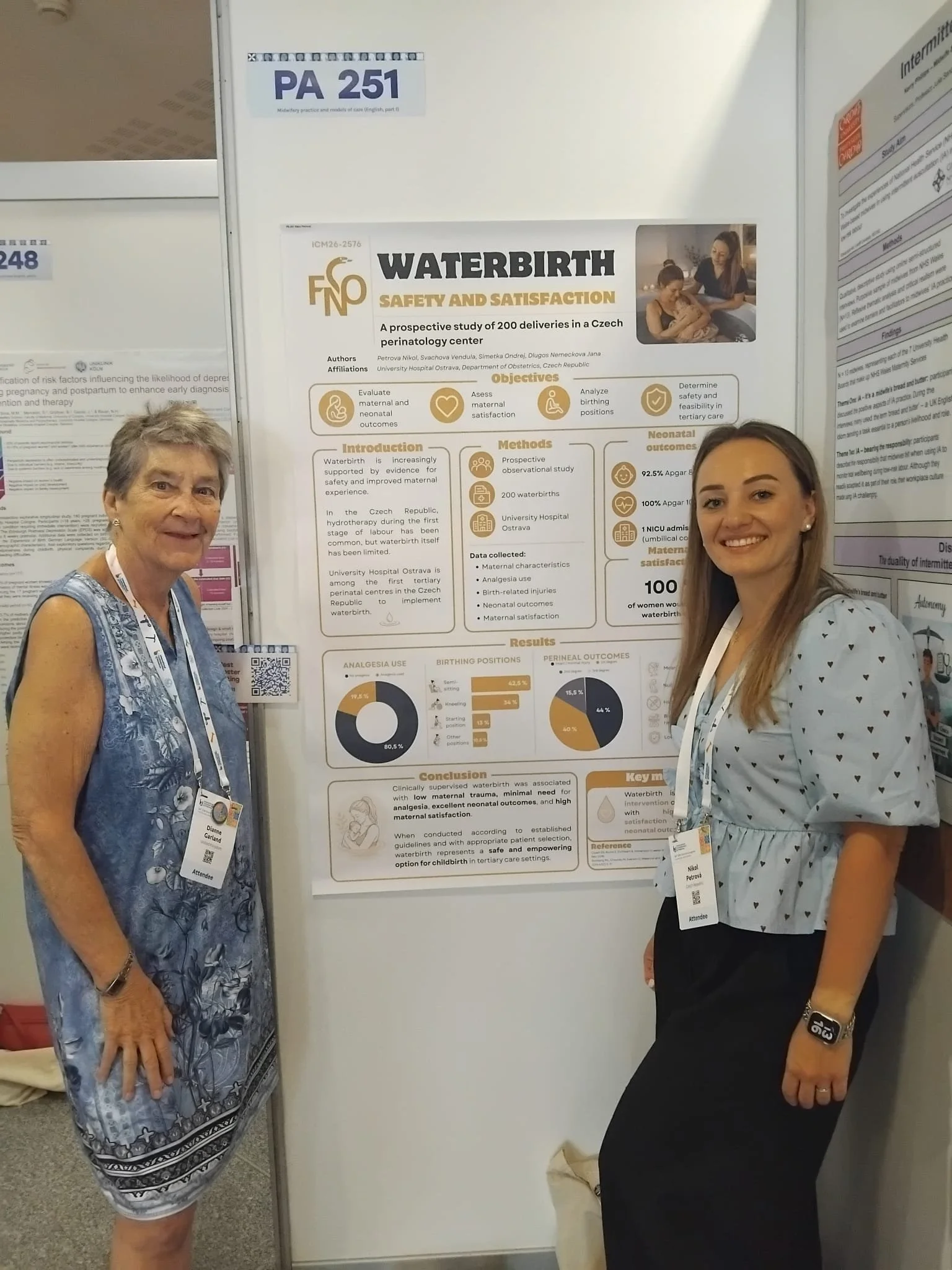
Waterbirth – Safety and satisfaction: A prospective study of 200 deliveries in a Czech perinatology center
Nikol Petrová, Vendula Svachova, Ondrej Simetka, Jana Dlugos Nemeckova
Eur J Midwifery 2026;10(Supplement 1):A629
ABSTRACT
BACKGROUND:
Waterbirth remains a topic of debate, though growing evidence supports its safety and positive impact on maternal experience. In the Czech Republic, hydrotherapy during the first stage of labour has been common, but waterbirth was limited to smaller units. Recently, Ostrava became the first perinatology centre to offer waterbirth. This study evaluates maternal and neonatal outcomes, birthing positions, and women’s experiences.
OBJECTIVES:
To evaluate maternal and neonatal outcomes, use of birthing positions, and maternal satisfaction in waterbirths conducted at a tertiary perinatology center in the Czech Republic. The study also aims to assess the safety and feasibility of waterbirth in a clinical hospital setting.
METHODS:
This prospective observational study included 200 water births at University Hospital Ostrava. Data collected included maternal characteristics, birthing positions, use of analgesia, birth-related injuries, neonatal outcomes and maternal satisfaction.
RESULTS:
The mean maternal age was 31.4 years, with 25.5% nulliparous. Most women (80.5%) required no analgesia. Birthing positions included semi-sitting (42.5%), kneeling (34%), starting position (13%), and others (10.5%). No episiotomies were performed. Perineal outcomes: 44% had no or minimal injury, 40% first-degree, 15.5% second-degree, and 0.5% third-degree tears. Neonatal outcomes were favorable: 92.5% of newborns scored 8–10 on the Apgar scale at 1 minute and 100% at 10 minutes. One newborn required NICU admission due to a single case of umbilical cord avulsion immediately after birth. Maternal satisfaction was high, with all participants stating they would choose waterbirth again.
CONCLUSIONS:
Clinically supervised waterbirth is associated with low maternal trauma, minimal need for analgesia, excellent neonatal outcomes and high maternal satisfaction. When conducted in accordance with established guidelines and with appropriate patient selection, waterbirth is a safe, effective, and empowering option for childbirth.
KEY MESSAGE:
Waterbirth is a safe, low-intervention method associated with high maternal satisfaction and should be considered a valid option in modern obstetrics. Poster session 2 (Group A)
Women’s Perspectives and Experiences of Water Birth in Erbil City: A Qualitative Study
Fatemeh Jahanshah Hassani- Department of Midwifery, College of Nursing, Hawler Medical University, Erbil, Kurdistan Region, Iraq
Tiran Jamil Piro- Department of Midwifery, Polytechnic University, Medical Technical Institute, Erbil, Kurdistan Region, Iraq.
Abstract
Background and Objectives: Water birth is a pain-reducing and comfort-enhancing way of childbirth for women. Despite its origins in ancient methods, it has lately achieved global prominence, notably in midwifery-led care. However, acceptability and impression vary by area. This study aimed to explore women’s perspectives and experiences regarding water birth in Erbil City.
Methods: A qualitative study was conducted at Private Hospital Shar in Erbil, Iraq, from January to February 2025. Semi-structured video call interviews were conducted with seven Kurdish-speaking mothers who had given birth using water. A purposive sampling strategy was employed, and data saturation was obtained. The interviews were transcribed, translated from Kurdish to English, and evaluated using content analysis. The study's rigor was maintained by ensuring its credibility, reliability, and confirmability.
Result: Psychological effects, cultural perspectives, and overall experience were the three major themes that emerged from the investigation. Pain relief, a sense of peace, and stress management were among the psychological effects. Cultural perspectives reflected the community's beliefs and norms. The overall experience included emotional relief, barriers and challenges, and willingness to recommend water birth to others. The participants' experiences may be fully understood by researching these themes.
Conclusion: Water birth was associated with reduced pain and improved psychological comfort. Despite cultural concerns and practical challenges, participants reported positive experiences and a willingness to repeat water birth. This study emphasizes informed choice, partner support, and adequate facility protocols to ensure safe implementation across diverse settings.

Rest And Restore Postnatal Pain Management
Framework “Midwifery Led Care”
Pooja Singh, Suman Lata, Tanima Verma, Lokesh Kumar Sharma
M.Sc. Nursing, King George’s Medical University, India1
Assistant Professor, King George’s Medical University, India2
Assistant Professor, King George’s Medical University, India3
M.Sc. Nursing, King George’s Medical University, India4
Abstract:
Background: The postnatal period is marked by significant physiological and psychological adjustments for women, often accompanied by pain that can impede recovery and well-being. Traditional pain management relying on pharmacological interventions has limitations, prompting the exploration of non-pharmacological
alternatives. Midwifery care, with its woman-centered and holistic philosophy, is uniquely positioned to implement such approaches.
Materials and Methods: The framework categorizes relaxation techniques into physical modalities (massage, TENS, hydrotherapy, positioning, thermal therapies, breathing), psychological techniques (relaxation techniques, VR, music, distraction), and complementary/alternative approaches (hypnosis, religion/health integration,support therapy, aromatherapy). The physiological underpinnings of relaxation and support are explored, highlighting the autonomic nervous system, hormonal mechanisms (oxytocin, endorphins, cortisol reduction), and musculoskeletal benefits. The role of family support and Kangaroo Mother Care in enhancing relaxation and well-being is also discussed.
Results: Integrating the "Rest and Restore" framework into midwifery practice offers multifaceted benefits. For postnatal mothers, this includes reduced pain perception, decreased reliance on medication, lowered stress and anxiety, improved physical recovery, hormonal balance, enhanced mood, increased self-efficacy, and strengthened mother-infant bonding. For newborns, benefits encompass improved thermoregulation, cardiorespiratory and blood glucose stability, enhanced sleep, improved brain development, and secure attachment. Families experience stronger partner involvement and overall improved well-being.
Conclusion: The "Rest and Restore" framework, incorporating diverse relaxation and supportive techniques within midwifery-led care, presents a holistic and effective approach to postnatal pain management. This framework empowers women, promotes physiological and psychological restoration, and enhances the postnatal
experience for mothers, newborns, and families, aligning with the core values of midwifery practice.
Portraying Birth in the Digital Age: How YouTube Shapes Perceptions of Waterbirth
Carlee Denholtz, Apeksha Mewani, Corey H. Basch ,Adi Gutiqi & Grace C. Hillyer
Waterbirth, the practice of laboring and/or delivering in warm water, has gained popularity for its reported benefits, including reduced pain, lower intervention rates, and higher maternal satisfaction, although concerns about safety remain. This study analyzed 90 YouTube videos (2009–2025) to examine the portrayal of waterbirth online. Most videos were personal, emotional, and anecdotal, often highlighting positive experiences while downplaying risks. Over time, content evolved from longer, experience-based videos to shorter, story-focused formats that featured more explicit depictions. Misleading claims appeared in some videos, and a few contained scientific references. Findings suggest YouTube significantly shapes public perceptions of waterbirth, emphasizing emotion over evidence.

Pool Room Design with MidwifeExpert
Thanks to everyone who has been in touch about my pool room design service. The feedback has been extremely encouraging and I’ve had plenty of thoughtful and productive conversations with units worldwide. I’ll be sharing further updates and developments shortly.
I’d be very happy to speak with anyone currently considering how their pool rooms could evolve. Every space has its own constraints and practical realities. My role isn’t to critique what’s already in place, rather to offer real world solutions gathered from decades of experience and global perspectives to help explore what might be possible. If you’d like a supportive, professional conversation about ideas or future plans, I’m always open to having a chat.
“During my travels around the world, I’ve seen the very best and unfortunately, the worst of pool room designs. It’s clear to me that both mothers and staff deserve the best environments possible: spaces that are safe, efficient and emotionally supportive.”


MidwifeExpert on the road
Maternity and Midwifery Festival Solihull May 2026

Widen horizons in attendance Medecins Sans Frontieres June 2026

University of Surrey – Student Midwives study day May 2026

Flying the flag in Lisbon- One million more midwives
Get In Touch
I’d love to hear from you regarding any of the subjects mentioned here, suggestions for future news or anything else in the world of midwifery.
